 Kinnetly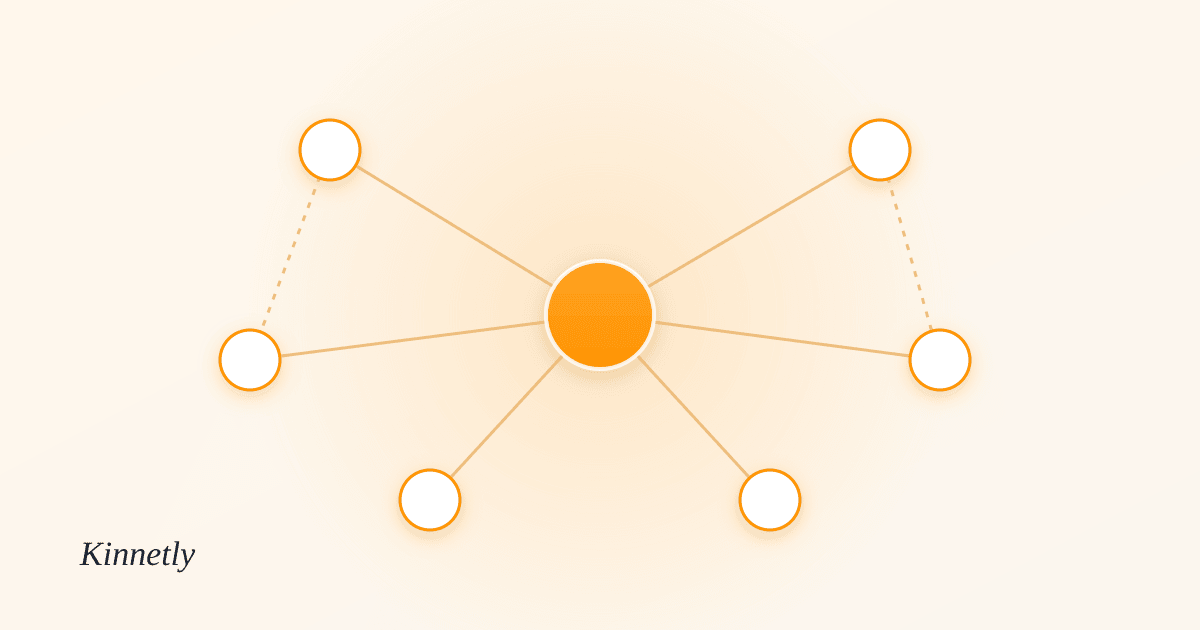
Most people have more useful relationships than they can comfortably remember. Old colleagues. People from conferences. A founder who gave you good advice two years ago. The friend of a friend who was unexpectedly helpful.
Meeting people usually is not the problem. The hard part is staying in touch after the first conversation, before the relationship quietly goes cold.
If you have ever thought, "I should really message them," then done nothing because the moment passed, this is for you. Here is a simple way to keep good relationships warm without making networking feel like homework.
Why relationships go cold
Most relationships do not end with an argument. They fade because nobody follows up.
You mean to send a note. Work gets busy. A few weeks pass. Then a few months. By the time you remember, the message feels awkward, so you put it off again.
Do that across dozens of people and your network starts to look better on paper than it works in real life. There are plenty of names in your contacts, but not much context, rhythm, or trust.
The answer is not to talk to everyone constantly. That would be exhausting, and it would not feel genuine. The answer is to decide who matters, how often you want to stay in touch, and what makes each relationship worth keeping warm.
Sort people by closeness, not status
A job title tells you very little about how often to contact someone. Closeness is more useful.
Try sorting people into four rough groups:
- Inner circle: family, close friends, key partners. These relationships deserve real attention, often monthly.
- Close: mentors, trusted collaborators, important clients, and people you would happily help. Every few months is usually enough.
- Regular: friends, peers, and active professional contacts. A couple of thoughtful check-ins each year can keep you on each other's radar.
- Occasional: lighter ties and people you met once but liked. Once a year is fine, especially if you have a real reason to reach out.
Do not worry too much about the exact timing. The useful part is making a decision instead of leaving every relationship to memory.
If you want a quick starting point, Kinnetly's free keep-in-touch cadence calculator can turn a list of people into a simple schedule and downloadable calendar reminders.
Make the first line easy
Most follow-ups fail before you write them. You know you should reach out, but you cannot remember what to say.
That is why context matters.
Keep a short note on each important person: where you met, who introduced you, what they were working on, and what you last talked about. You do not need a full biography. One or two useful details are enough.
"How did the house move go?" feels very different from "Long time no speak." One sounds like you remember them. The other sounds like you are clearing a backlog.
A good follow-up usually has one of three shapes:
- a genuine check-in
- something useful for them
- a note tied to the last conversation
For example:
Hey Sam, I saw this and thought of our chat about hiring your first support person. No need to reply, just thought it might be useful.
That is enough. The best follow-ups are often short.
Lead with value, not a favour
People can feel the difference between being remembered and being worked.
If you only reach out when you need an introduction, a job lead, or a sale, the relationship starts to feel transactional. That does not mean you can never ask for help. It means the relationship needs deposits before withdrawals.
Send the article. Make the introduction. Congratulate them when something goes well. Ask a question you are genuinely curious about. Small touches build more trust than occasional grand gestures.
Turn it into a system
Willpower is a weak place to store your relationships. It works while the list is small, then fails quietly.
A better system has three parts:
- A record of who matters and how you know them.
- A cadence for how often you want to stay in touch.
- A reminder that brings the right person back at the right time, with enough context to make the message easy.
That is what Kinnetly is built for. It maps the people you know and how you met them, records the context behind each relationship, and reminds you before someone slips off your radar. Instead of a flat contact list, you get a private map of your network.
You can read more about how it works, or see who Kinnetly is for.
Start with five people
Do not organise your whole network this weekend. You will make it too big and stop.
Pick five people you have been meaning to contact. For each one, write down how you know them, what you last talked about, and roughly how often you would like to stay in touch.
Then send one short message.
That is the habit. Not a perfect database. Not a giant networking plan. Just small, consistent attention before the relationship gets cold.
Ready to stop letting good relationships fade? Get started with Kinnetly for free.